0-12 months
Sensory-safe textures, grasping practice, soft contrast, and simple cause-and-effect play help caregivers choose first-stage products with confidence.
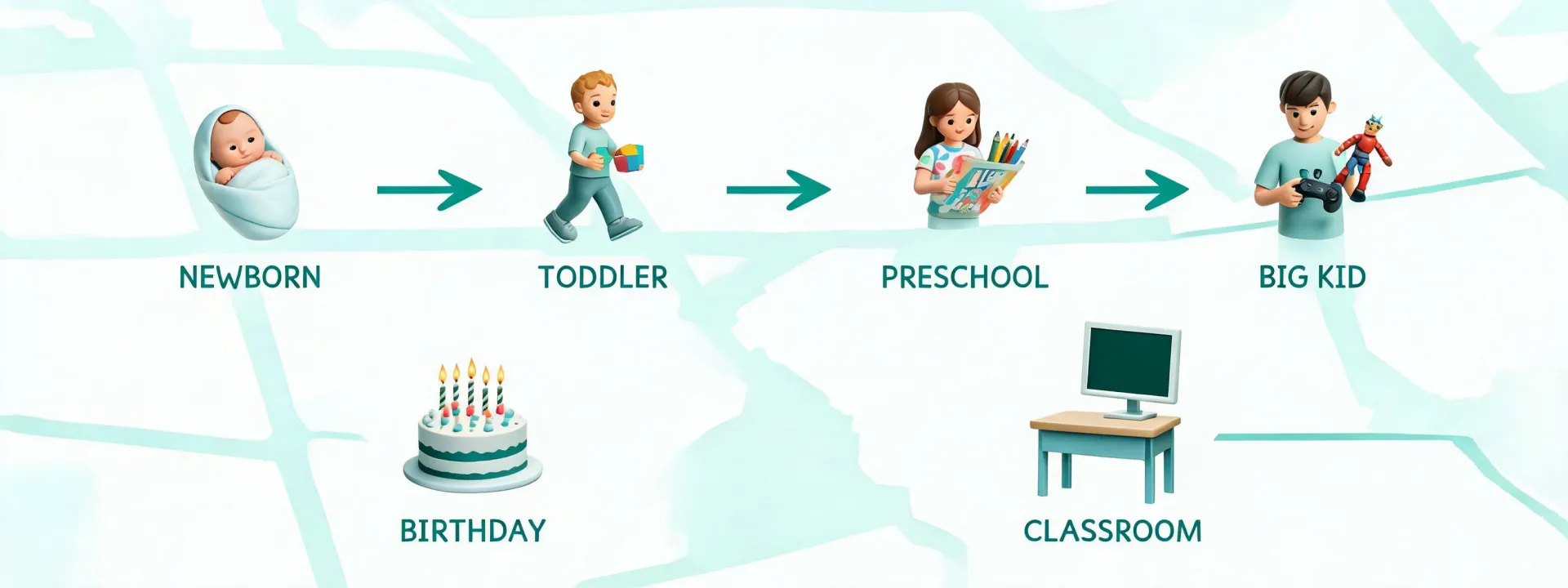
For maternity, baby, and toy buyers, the useful map is not a heavy industrial vertical. It is the child stage, the play context, and the reason a caregiver is choosing the toy.
Learning Resources supports several demand patterns: early development shelves, classroom centers, sensory play programs, construction challenges, and gift-led retail events.
Sensory-safe textures, grasping practice, soft contrast, and simple cause-and-effect play help caregivers choose first-stage products with confidence.
Toddlers need stacking, sorting, pretend food, first counting, and durable pieces that can survive repeated daily routines.
Preschool assortments can introduce early STEM, vocabulary, pretend money, cooperative games, and structured problem-solving.
Older kids respond to bridge building, coding logic, magnet challenges, complex construction, and experiments that reward persistence.
Teacher-facing programs need clear objectives, replaceable parts planning, and activity ideas that work for small groups.
Families value low-prep play, understandable instructions, and a visible connection between fun and skill practice.
Sensory items, fidgets, and fine-motor tools should be positioned with supervision context and easy cleaning expectations.
Stores need fast shelf stories: age badge, key skill, safety cue, and a product image that communicates the play pattern instantly.
Gift buyers look for a satisfying reveal, durable parts, and simple age guidance that reduces uncertainty at checkout.
Seasonal bundles can combine STEM challenge, sensory play, and building activities across sibling age ranges.
Early-stage items should emphasize safe materials, soothing interaction, and developmental usefulness beyond a single week.
Counting, sorting, language, and pretend play lines fit back-to-school and preschool preparation stories.
The percentages below are not performance claims. They show a planning model for a balanced Learning Resources shelf, making room for proven developmental play and high-interest discovery products.
Tell us whether you are building for retail, education, therapy support, or gifting. We will help align product type, age message, and safety documentation.