Assortment mapping
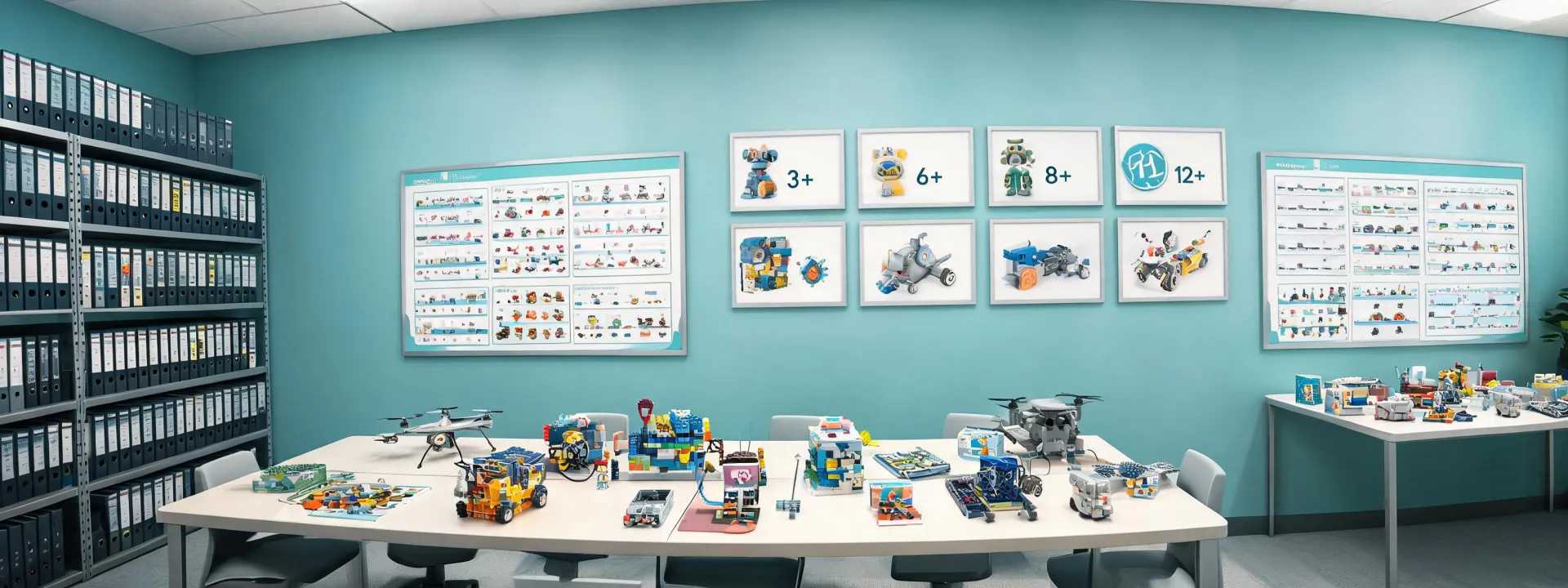
We map STEM, sensory, and construction lines to the age bands and play occasions your team serves, from toddler fine-motor practice to big-kid building challenges.
Our service model helps retailers, schools, and program buyers select age-appropriate learning toys, organize compliance documentation, and create product stories that parents can understand quickly.
Learning Resources works best when the buying conversation is precise. We focus on developmental fit, safety context, and merchandising clarity rather than vague trend claims.
We map STEM, sensory, and construction lines to the age bands and play occasions your team serves, from toddler fine-motor practice to big-kid building challenges.
Compliance summaries, material notes, and age-grade statements are organized so buyers can review ASTM F963, CPSIA, EN71, BPA-free, and non-toxic claims without hunting through scattered files.
Product pages, shelf talkers, and training notes can be framed around skill outcomes: counting, coding logic, sensory regulation, vocabulary practice, and cooperative building.
The service workflow is deliberately measured. It gives your team a record of why each item belongs in the collection and where special supervision or age messaging should appear.
We start with age range, learning setting, budget, shelf footprint, and whether the buyer is serving classrooms, family gifting, therapy corners, or retail impulse displays.
Each candidate is tied to a play pattern such as counting, sorting, engineering, sensory calming, pretend money practice, or collaborative construction.
Our team checks the requested documentation path and helps separate clear safety claims from marketing language that needs more context.
You receive a concise planning summary for merchandising, customer support, staff training, and follow-up replenishment conversations.
Share the product types you are considering and the audience you serve. We will respond with practical next steps for product fit, documentation, and merchandising support.